
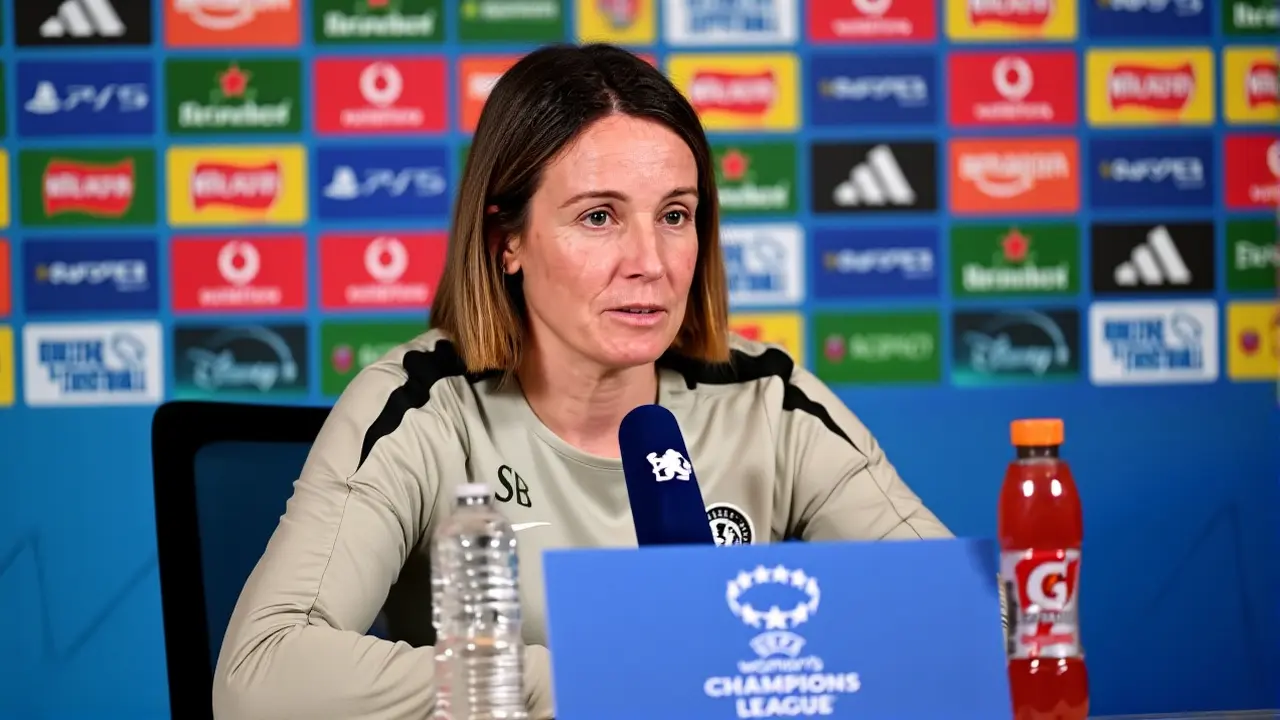
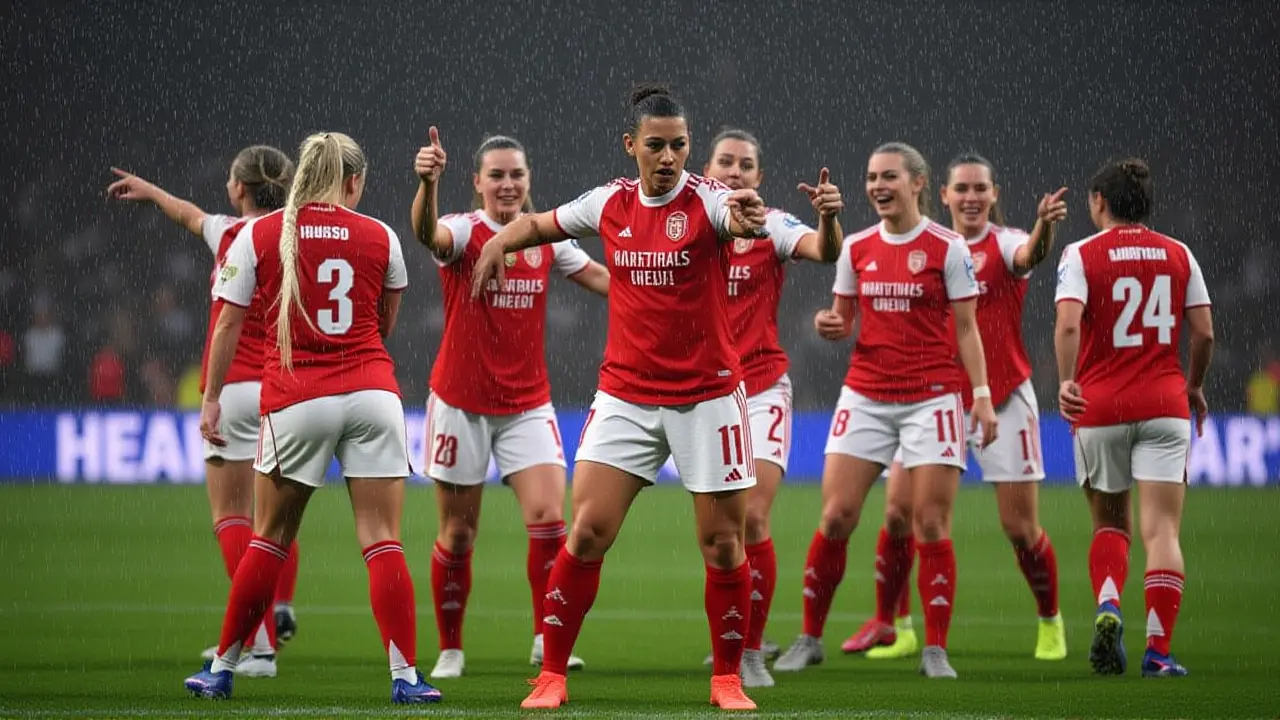
The Emirates Stadium erupted on March 24, 2026, as the Gunners secured a commanding 3-1 victory over their London rivals in a crucial UEFA Women's Champions League clash. Arsenal Women proved they are built for big nights, taking full control of the quarterfinal tie and leaving Chelsea Women chasing shadows at half-time. It was a statement performance from the defending champions, showing precisely why they remain the team to beat in Europe.
Here’s the thing about knockout ties – one bad night changes everything. While Chelsea arrived having scraped through the group stages after finishing third, Arsenal looked like a different beast entirely. The atmosphere was electric, thick with noise as fans knew something special was happening. Early pressure came from the visitors; actually, Chelsea hit the post twice in the opening ten minutes. But you know how it goes—when luck isn't on your side, the run of play inevitably shifts.
The Goals that Shaped the Night
Tensions were high, but composure won the day for the hosts. The deadlock broke when Stina Blackstenius rose highest to meet a cross. It was a classic set-piece delivery from Katie McCabe, whose footwork remains impeccable even under pressure. The Swede didn't just head it; she directed it firmly past the keeper. Suddenly, the momentum swung hard toward North London.
It wasn’t long before the deficit grew. Chloe Kelly, operating with typical verve on the wing, decided to take matters into her own hands. She reflected later, saying: "Beth [Mead] got the ball on the opposite side and I was waiting for it to come out to me, trusting my ability, and hit it in the far corner. I was happy with that one." That moment of individual brilliance doubled the advantage and settled the nervous energy in the stands.
Chelsea's Frustration Mounts
Things looked bleak for the Blues, but hope flared briefly when Veerle Buurman headed in from close range near the hour mark. Except it didn't count. The referee pointed immediately after adjudging a foul on Laia Codina. It was a tough call, sure, but these decisions often define European campaigns. The twist is that this rejection seemed to knock some wind out of Chelsea's sails rather than fuel a comeback.
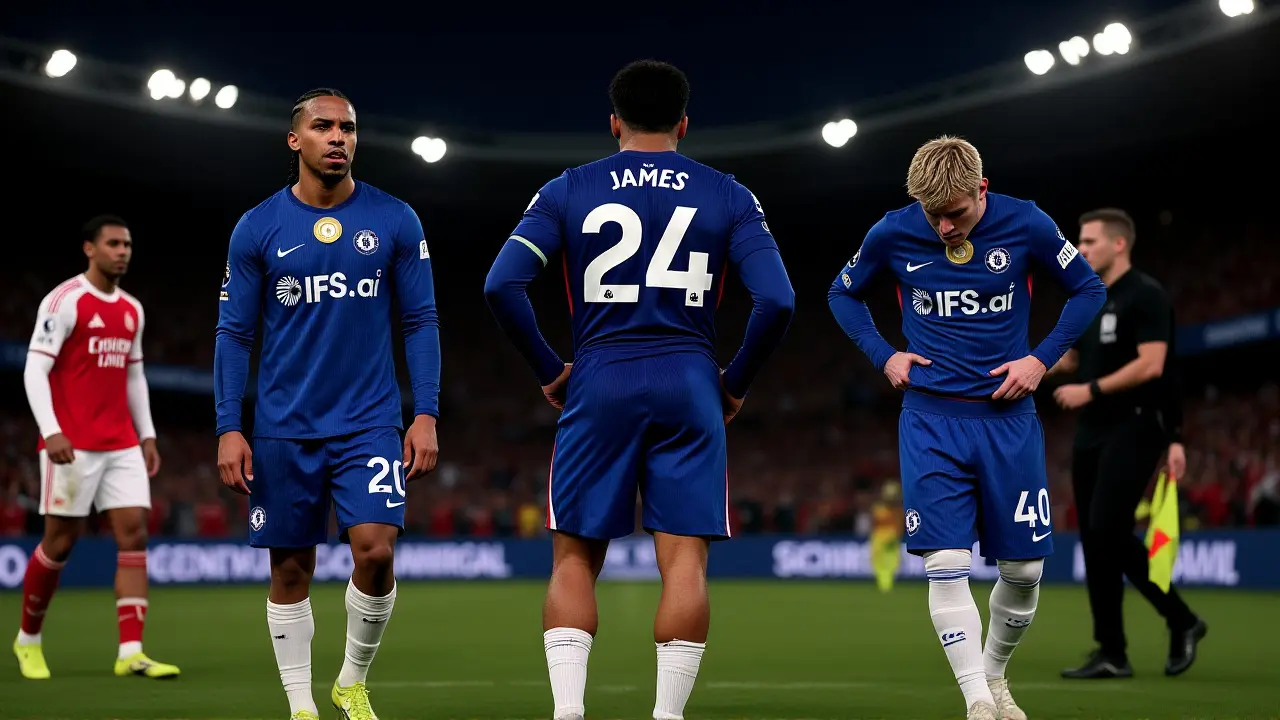
They managed to grab a consolation later through Lauren James. To be fair, it was a stunning finish, reducing the deficit to a manageable 2-1 and bringing a bit of life back into the second half. However, the story had already been written by the hosts.
Russo Seals the Victory
Just when Chelsea thought they had turned the tide, Alessia Russo restored the two-goal buffer. Her clinical finishing sealed Arsenal's commanding position in the tie. By the time the final whistle blew, the scoreboard read 3-1, a result that sends massive pressure onto the return leg at Stamford Bridge.
Setting the Stage for the Return
This result comes on the back of a competitive season. Earlier this year, Arsenal drew 1-1 at home in November and beat Chelsea 2-0 at Stamford Bridge. This adds another data point to an evolving rivalry that feels more intense than ever. The Gunners have also demonstrated strong form in this competition specifically, scoring seven goals across two legs against OH Leuven in the previous round. They're finding rhythm, and Chelsea needs to find answers fast.
The second leg is scheduled soon, and everyone knows what has to happen. Chelsea needs to go away and turn up. With the defense showing cracks against a top-tier attack like the Gunners', they'll need miracles or perhaps a red card situation to upset the odds. For Arsenal, the focus is now on avoiding complacency. They know the league well; they know what happens when you think too much about the trophy before the job is done.
Frequently Asked Questions
Where will the second leg of the quarterfinal take place?
The return fixture is scheduled to take place at Stamford Bridge, Chelsea's home ground. The exact date is yet to be confirmed by UEFA, but it is expected to occur in the latter half of April 2026.
Who were the goalscorers for Arsenal Women?
The three goals for the Gunners were scored by Stina Blackstenius, who opened the scoring with a header, Chloe Kelly with an impressive long-range effort, and Alessia Russo, who secured the lead later in the game.
Did Chelsea receive any controversial calls?
Yes, a goal scored by Veerle Buurman was disallowed after the referee ruled a foul occurred involving Laia Codina prior to the goal, which frustrated the visiting players during the match.
What is the historical context between these two teams?
These London rivals have met frequently recently; Arsenal defeated Chelsea 2-0 earlier in 2026 and they drew 1-1 in November. Historically, this matchup defines much of the Premier Women's League intensity.



The refereeing decisions are absolutely biased towards certain teams!!!! It is disgusting how they ignore clear fouls!!!!! We demand better standards in this competition!!!! Morals are declining rapidly in European football!!!!
Tacticaly specking the defensive shape held up well enought.
You cant blame officials for everything that goes wrong sometimes.
Arsenal pressed high to disrupt buildups effectively.
Rivalry is supposed to be fun but everyone takes it too seriously lol
Chelsea fans need a hobby besides hating refs apparently
Laughing at the desperation in the second half
Disgusting display by the visitors 😡🚫📉
I bet the VAR setup was tampered with before kickoff
Something fishy happened with that offside line
They want Arsenal to win this whole thing
Your delusion blinds you to the simple reality of quality
Fear not my friend for justice prevails eventually
Emotions cloud your vision of truth unfortunately
Statistically the xG differential screams Arsenal superiority clearly
The defensive metric collapses indicate systemic failure issues
We analyze the regression models to confirm dominance patterns
We should focus on the positive aspects of this match instead
Both teams showed incredible fighting spirit throughout
Supporting your local girls builds community pride nicely
America loves strong teams winning fair matches 👍🇺🇸
This loss shows who really cares about winning big
Nice try with the flag waving buddy😂
You know nothing about soccer actually
So greate match guys loved it!!!!
Hoope chelsea come bak nezt tie
All da girls played hard enuff today
It truly amazes me how the dynamics shift during these knockout stages.
We see genuine tactical brilliance displayed right on the pitch.
The set piece execution by McCabe was nothing short of spectacular.
Every player knows their specific role when pressure mounts high.
Defending champions often rely on these moments to separate themselves.
History tells us that consistency defines longevity in the league.
Fans feel a special connection when their team dominates completely.
We must respect the resilience shown even by the defeated side.
Lauren James proved her worth with that stunning consolation effort.
Disallowed goals sting, but referees make calls daily.
Second legs always bring fresh challenges and new narratives.
Home advantage at Stamford Bridge will play a crucial factor later.
Both clubs contribute significantly to the growth of the game globally.
Players deserve immense credit for maintaining peak physical condition.
Ultimately we witness football artistry in its purest form here.