

The Emirates FA Cup has delivered a heavyweight showdown for the ages. Manchester City will face Chelsea in the final at Wembley Stadium, setting up a London derby with massive implications for both clubs' domestic ambitions. The match is scheduled to be officiated by Darren England, one of the Premier League’s most experienced referees.
It’s not just about who made it; it’s how they got there. Chelsea edged past Leeds United 1-0 thanks to a decisive strike from Enzo Fernandez, while City survived a tense encounter against Southampton. Meanwhile, the tournament lived up to its reputation as football’s great equalizer, sending shockwaves through the top flight with Arsenal’s elimination and lower-league sides stealing headlines.
A Final Forged in Drama
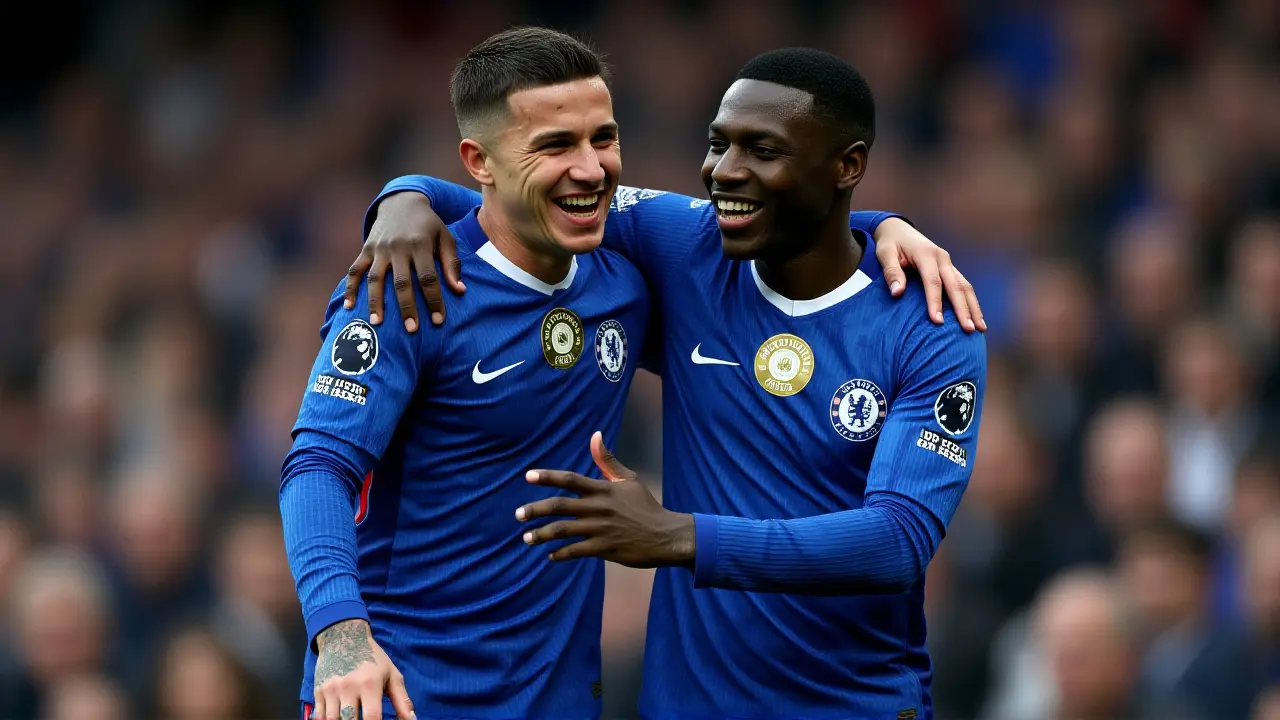
Chelsea’s path to the final wasn’t pretty, but it was effective. Enzo Fernandez’s goal proved to be the difference against a resilient Leeds side, showcasing the kind of moment-defining quality that managers dream of in cup competitions. It was a clinical performance that masked underlying nervousness—a trait often seen in teams chasing silverware under pressure.
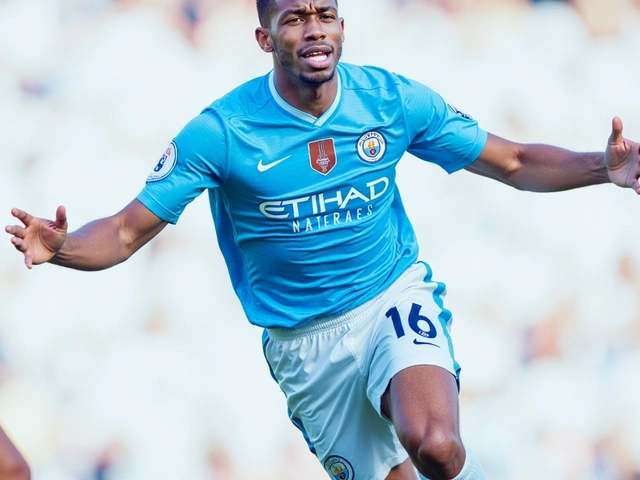
On the other side, Manchester City reached their fourth consecutive FA Cup final, a testament to their sustained dominance across multiple seasons. But this run wasn’t without drama. Their semi-final clash with Southampton nearly ended in disaster before they clawed back control late in the game. You could feel the tension radiating from the Etihad Stadium crowd as minutes ticked away.
Darren England will have his work cut out for him. With two high-caliber sides known for physicality and tactical nuance, expect a tightly controlled affair where every decision matters. His appointment signals confidence from The Football Association in handling big moments—something he’s proven capable of doing time and again.
Upsets That Shook the Tournament
If you thought the final would be the only talking point, think again. This year’s FA Cup was defined by chaos—and not just on the pitch. Arsenal crashed out to Southampton, a result so unexpected it left fans reeling. One minute they’re favorites, the next they’re packing their bags early. Classic cup madness.
Then there was Plymouth Argyle’s stunning 1-0 win over Liverpool at Home Park. A non-league side taking down giants? Yes, please. That kind of magic keeps people tuning in week after week. Even Tamworth and Kettering Town managed brief moments of glory before bowing out, reminding everyone why we love this competition.
Brighton also had their share of thrills, beating Newcastle United 2-1 in extra time thanks to Danny Welbeck’s late heroics. Both teams were reduced to ten men during the match, adding layers of unpredictability to an already chaotic afternoon. Crystal Palace beat Millwall 3-1 despite losing Jean-Philippe Mateta to injury, proving depth can sometimes outweigh star power.

Tech Meets Tradition
This season marked another first for the FA Cup: semiautomated VAR offside technology powered by iPhones. Sounds futuristic, right? Well, it works surprisingly well. Referees now get instant feedback on borderline calls, reducing human error without slowing down play too much. Critics argued it might strip some spontaneity from the game, but supporters say accuracy trumps tradition when fairness is at stake.
Meanwhile, Preston North End stood alone as the lowest-ranked team still in contention heading into the quarterfinals. They hoped to cause an upset against top-flight opposition, embodying the spirit of giant-killing that defines the FA Cup. Whether they succeed or fail, their presence reminds us why smaller clubs keep dreaming big.
Looking Ahead: What Next?
As March wraps up, all eyes turn toward Wembley. The stage is set for a classic London derby between two titans of English football. Erling Haaland hinted that Manchester City will improve further next season, suggesting hunger remains even amid success. Newcastle manager Eddie Howe expressed cautious optimism about Alexander Isak’s availability, though injuries loom large for any squad planning long campaigns.
In youth football, Ryan McAidoo scored individually for Manchester City’s U18s in their semifinal victory over Blackburn Rovers at Joie Stadium. Young talents like him represent the future of these institutions, building legacies beyond today’s results.
Frequently Asked Questions
Who plays in the 2026 FA Cup Final?
Manchester City and Chelsea are confirmed finalists for the 2026 Emirates FA Cup Final. The match takes place at Wembley Stadium, with Darren England appointed as referee.
Why did Arsenal exit the FA Cup?
Arsenal suffered a shocking defeat to Southampton in the semifinals, marking one of several upsets throughout the tournament. Such outcomes highlight the unpredictable nature of knockout football.
What new tech was used in the 2026 FA Cup?
Semiautomated VAR offside technology powered by iPhones debuted during the tournament, improving call accuracy while maintaining flow. It represents a blend of innovation and practicality in modern refereeing.
Which lower-league teams impressed this year?
Plymouth Argyle famously defeated Liverpool 1-0, while Tamworth and Kettering Town captured attention earlier rounds. These victories exemplify the FA Cup’s enduring appeal as a platform for underdogs.
When does the final take place?
The exact date hasn’t been announced yet, but kickoff times for major fixtures are typically released closer to the event. Fans should check official sources for updates leading up to the match.








Write a comment