Draft Order: What It Means in Sports, Leagues, and Team Building
When you hear draft order, the sequence in which teams select new players in professional sports leagues. Also known as pick order, it’s the backbone of how teams rebuild, reload, or rise up—especially in leagues like the NFL, NBA, and MLS. It’s not just a random list. Draft order is earned, sometimes lost, and always strategic. The team with the worst record usually gets the first pick, giving them the best shot at landing a game-changing rookie. But it’s not always that simple. Trade-offs, lottery systems, and draft pick swaps mean the team with the worst record doesn’t always pick first. That’s why fans spend months tracking standings, trades, and tiebreakers—they know the draft order can change everything.
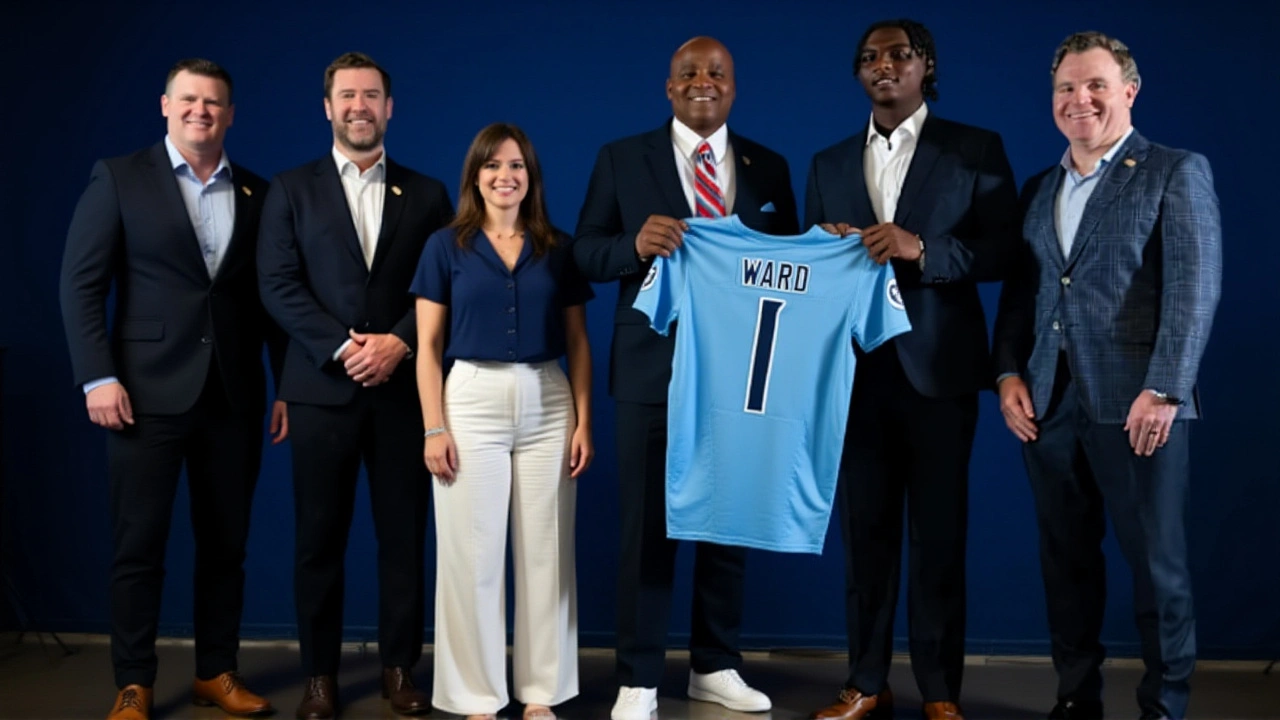
Draft order isn’t just about who picks when. It’s about team building, how organizations assemble talent over time through strategic player acquisition. A high pick might bring in a future MVP, like when the Cleveland Browns took Baker Mayfield first overall in 2018. Or it might be a gamble that flops—like when the New York Jets picked Sam Darnold over a more proven quarterback. In the NBA, draft order shaped the rise of the Golden State Warriors after they landed Stephen Curry with the 7th pick in 2009. Meanwhile, in the NFL, the Carolina Panthers used a top-five pick to get Bryce Young in 2023, betting their entire rebuild on one player. These aren’t hypotheticals. They’re real outcomes tied directly to where a team landed in the draft order.
And it’s not just the big leagues. Even in international soccer, youth academies and development leagues use draft-style systems to allocate emerging talent. The NBA draft, the annual event where NBA teams select eligible players, often from college or international leagues has become a global spectacle, with scouts watching players in Serbia, Australia, and Nigeria. The NFL draft, the annual selection process for new players entering the National Football League draws millions of viewers, not just for the picks, but for the drama—the trades, the surprises, the players who slide because teams fear injury or character issues. In South Africa, while there’s no formal draft system for soccer, clubs still chase young talent the same way: through scouting networks and development pipelines that mirror the logic of draft order—get the best prospects before others do.
What you’ll find in the posts below isn’t a list of draft picks. It’s the ripple effect of draft order in action. You’ll see how a single pick influenced a Champions League matchup, how a team’s rebuild after a poor season led to a World Cup qualifier win, and how player development paths—whether in Toronto, Tokyo, or Tunis—follow the same unspoken rules. Draft order isn’t just about who goes first. It’s about who gets a chance to change the game.