
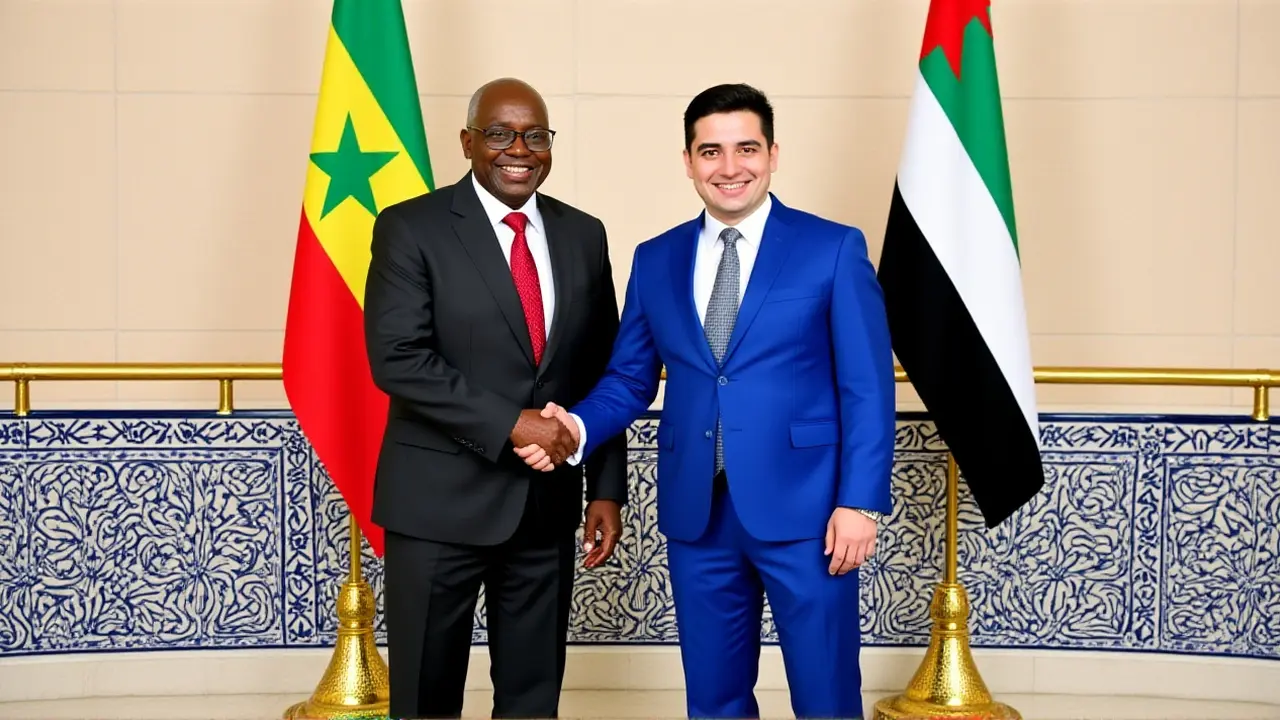
It’s not just about history books anymore. Morocco is playing a high-stakes game of international chess, and the board is shifting faster than anyone expected. The Kingdom is reportedly using what analysts call "dollar diplomacy"—essentially trading economic incentives for political loyalty—and it’s working. More countries are backing Rabat’s autonomy plan for Western Sahara, including a surprise endorsement from former South African President Jacob Zuma.
The twist? This isn’t happening in a vacuum. It’s happening alongside a massive diplomatic push with Washington D.C., where Morocco and the United States are celebrating 250 years of ties. Here’s the thing: this convergence of historical prestige and hard-nosed realpolitik is changing the landscape of North African geopolitics.
The Zuma Factor: A Diplomatic Earthquake
When Jacob Zuma, the controversial former leader of South Africa, visited Rabat, he didn’t just bring greetings. He brought legitimacy. By endorsing Morocco’s continued control of Western Sahara as an autonomous region, Zuma triggered a firestorm of debate across the continent.
"Former South African President Jacob Zuma’s visit to Morocco and endorsement of its continued occupation of Western Sahara as an autonomous region have rekindled debate about this contentious and ongoing issue," notes the Institute for Security Studies (ISS) Africa. That’s a heavy statement. For decades, the African National Congress (ANC) has been a staunch supporter of the Polisario Front, the Sahrawi independence movement. Zuma’s pivot signals a broader trend: pragmatic leaders are starting to see value in aligning with Rabat rather than sticking to ideological anti-colonial scripts.
But wait—why does Zuma matter so much? Because his shift suggests that even traditional allies of the Polisario are reconsidering their stance. It’s a crack in the dam of diplomatic isolation that Morocco has faced for years.
Dollar Diplomacy: Buying Influence?
The term "dollar diplomacy" usually conjures images of early 20th-century U.S. foreign policy, but here it refers to something more modern: leveraging economic power to secure political recognition. Morocco isn’t just asking for support; it’s offering deals. Investment opportunities, trade agreements, and security partnerships are on the table.
More and more countries are backing Rabat’s plan. While the ISS Africa report doesn’t name every single nation, the implication is clear: the coalition is growing. This isn’t just about sympathy; it’s about strategy. Nations looking to stabilize their own borders or boost their economies find a reliable partner in Morocco. The result? A slow but steady erosion of the diplomatic blockade against Rabat’s sovereignty claims.
Oddly enough, this approach mirrors tactics used by other regional powers. But Morocco has an edge: stability. In a volatile neighborhood, being a safe harbor has its price—and Rabat is charging it.
Washington’s Role: 250 Years of Strategic Partnership
While the drama unfolds in Africa, the Atlantic connection remains rock solid. Morocco and the United States recently marked 250 years of diplomatic friendship—one of the longest-running relationships in American history. The celebrations weren’t just ceremonial; they were strategic.
At the Tangier American Legation, officials discussed how cooperation has expanded beyond traditional diplomacy into security, trade, and technology. "Discussions reflected on how U.S.–Morocco relations have expanded over time to encompass cooperation across diplomacy, security, trade..." stated the U.S. Embassy in Morocco. That ellipsis? It probably includes counterterrorism intelligence, which has been a cornerstone of the alliance since the George W. Bush era.
Here’s the context you need: In 1777, under Sultan Mohammed ben Abdallah, Morocco became the first country in the world to recognize U.S. independence. That’s not just trivia; it’s a foundation stone. Today, that historic bond translates into concrete benefits. Morocco is designated as a "major non-NATO ally," a status that unlocks military sales and joint operations. During the Bush administration, Morocco assisted the CIA in interrogating Al-Qaeda members captured in Afghanistan and Iraq. That kind of trust doesn’t come cheap—but it comes with dividends.
Cultural Ties: Beyond Politics
It’s not all about spies and sanctions. The human element matters too. The U.S. Mission in Morocco recently held a closing ceremony for Dar America, a cultural center that’s moving to Casa Finance City in Casablanca. Alumni, educators, and community leaders gathered to pay tribute to its legacy. These soft-power connections build resilience in the relationship, making it harder for political winds to blow it apart.
When people-to-people ties are strong, governments have more room to maneuver. And right now, Rabat is maneuvering like hell.
Key Facts at a Glance
- Historic First: Morocco was the first nation to recognize U.S. independence in 1777.
- Zuma’s Shift: Former SA President Jacob Zuma endorsed Morocco’s autonomy plan for Western Sahara.
- Alliance Status: Morocco is a major non-NATO ally of the U.S., aiding counterterrorism efforts since the 2000s.
- Economic Leverage: "Dollar diplomacy" involves using investment and trade deals to gain political recognition.
- Cultural Bridge: Dar America’s move to Casa Finance City highlights deepening civil society ties.
What’s Next for Western Sahara?
The details are still unclear on how many new recognitions will follow Zuma’s lead. But the trend is undeniable. As more countries back Rabat’s autonomy proposal, the pressure mounts on the Polisario Front and its backers. The UN-led peace process has stalled for years, but this new wave of diplomatic support could force a renegotiation—or worse, a unilateral declaration of victory by Morocco.
Experts warn that this could destabilize the Maghreb if not handled carefully. But for now, Morocco is winning the narrative war. With Washington firmly in its corner and African leaders increasingly pragmatic, Rabat’s gamble seems to be paying off.
Frequently Asked Questions
What is "dollar diplomacy" in the context of Morocco?
In this context, "dollar diplomacy" refers to Morocco’s strategy of using economic incentives—such as investment opportunities, trade agreements, and development aid—to persuade other nations to recognize its sovereignty over Western Sahara. It’s a pragmatic approach that prioritizes mutual economic benefit over ideological solidarity with independence movements.
Why is Jacob Zuma’s endorsement significant?
Jacob Zuma’s endorsement is significant because South Africa, through the ANC, has historically been a vocal supporter of the Polisario Front and Sahrawi independence. Zuma’s shift signals a potential fracture in traditional African solidarity with the independence movement, suggesting that pragmatic leaders may prioritize regional stability and economic ties with Morocco over long-standing ideological positions.
How old is the relationship between Morocco and the US?
The relationship dates back to 1777, when Morocco became the first country in the world to recognize the independence of the United States during the American Revolutionary War. This makes it one of the oldest continuous diplomatic relationships in U.S. history, spanning 250 years as of recent commemorations.
What does "major non-NATO ally" mean for Morocco?
Designated as a "major non-NATO ally" during the George W. Bush administration, this status grants Morocco preferential access to U.S. military equipment, joint exercises, and intelligence sharing. It reflects a deep strategic partnership, particularly in counterterrorism, where Morocco has assisted the CIA in operations related to Al-Qaeda in regions like Afghanistan and Iraq.
Is the Western Sahara conflict likely to resolve soon?
Resolution remains uncertain. While Morocco’s growing diplomatic support strengthens its position, the Polisario Front continues to seek full independence. The UN-led process has been stagnant, and increased international backing for Morocco’s autonomy plan may complicate negotiations further. Experts suggest that without a major breakthrough, the status quo could persist for years.

Write a comment